Give Your Old Clothes a Fresh Start with Recycling
Is your closet overflowing with clothes you no longer wear? Instead of letting them gather dust or tossing them in the trash, why not recycle your old clothes? Giving your used garments a second life isn't just good for the planet--it's also an opportunity to declutter your space, support local communities, and even get crafty. In this comprehensive guide, we'll explore how to give your old clothes a fresh start with recycling, with helpful tips, ideas, and everything you need to know to make a real difference.

Why Recycle Old Clothes?
The Environmental Impact of Textile Waste
Every year, millions of tons of textiles end up in landfills. According to the EPA, more than 11 million tons of textile waste is generated annually in the United States alone. Most clothing is made from synthetic materials that can take hundreds of years to decompose, releasing harmful chemicals into the soil and atmosphere in the process. Choosing to recycle clothing helps:
- Reduce landfill waste
- Conserve water and energy resources
- Lower greenhouse gas emissions
- Decreases demand for new raw materials
Benefits Beyond the Environment
Recycling old clothes isn't just an environmentally friendly practice. It supports local economies, charities, and creative initiatives. By donating or repurposing your clothing, you could be helping someone in need, sparking a new project, or even creating a potential source of income.
How to Recycle Your Old Clothes: Practical Steps
1. Assess Your Wardrobe
Start by sorting through your closet. Create separate piles for clothes that are:
- In perfect or good condition: suitable for donation or resale
- Worn or damaged: ideal for upcycling projects or textile recycling
- Sentimental or vintage items: consider creative repurposing
2. Repurpose with Upcycling
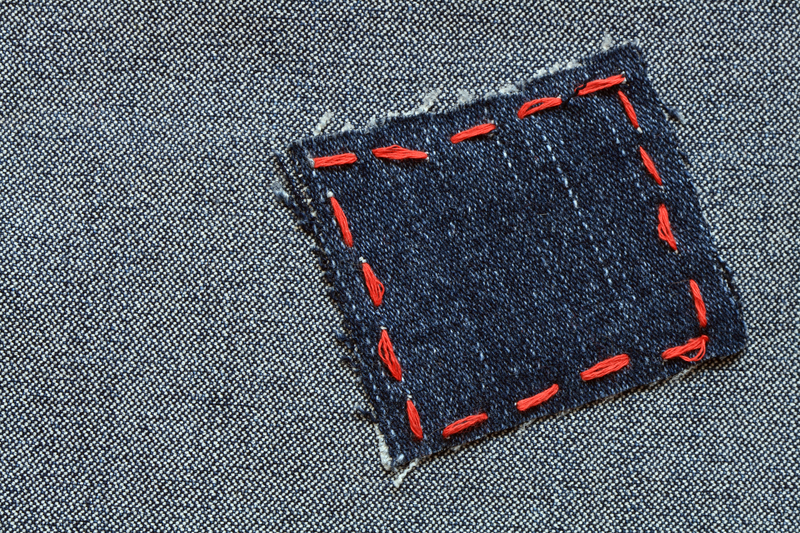
Before you toss those old jeans or t-shirts, consider upcycling--transforming your garments into something new and useful. Here are some fun ideas:
- T-shirt tote bags: Create a reusable shopping bag in minutes.
- Rag rugs: Weave together strips of old clothing for a colorful rug.
- Patchwork quilts: Use fabric scraps for a warm, personalized blanket.
- Cleaning rags: Cut up worn-out shirts for eco-friendly cleaning cloths.
- Cushion covers or pillowcases: Give faded shirts new purpose as home decor.
3. Donate to Charity
Donating clothing to local charities or thrift shops is one of the most impactful ways to recycle old clothing. Many organizations accept used clothes in good condition, providing affordable options for others and funding vital community services.
Check with your local shelters, churches, or non-profits to see what items they need most.
4. Sell or Swap Your Clothes
If you have brand-name or gently-used wardrobe items, consider selling or swapping them. Online platforms like Poshmark, Depop, and ThredUP make it simple to sell clothes you no longer need.
- Host a clothing swap party with friends or neighbors
- List items online for extra income
- Visit local consignment stores to drop off higher-end pieces
5. Utilize Textile Recycling Programs
When clothes are too worn or damaged to donate, textile recycling bins and programs can help. These initiatives take unwearable garments and recycle the fibers into new products, from insulation to industrial rags.
- Locate a textile recycling drop-off near you (many grocery stores and municipal waste sites offer bins)
- Check with major retailers--brands like H&M and Levi's offer in-store recycling
- Mail-in recycling programs for a convenient option
6. Get Creative: Fashion, Art & DIY Projects
The sky's the limit when it comes to repurposing old clothes for art and design projects. Try:
- Accessorizing: Turn shirt collars or cuffs into headbands or bracelets
- Home Decor: Craft wall hangings or plant pot covers from vintage fabric
- Costume making for plays, events, or holidays
Top Tips for Giving Clothes a Fresh Start Through Recycling
- Wash and dry everything before recycling or donating--clean clothes are more likely to be accepted or successfully recycled.
- Separate by type: Keep textiles like shoes, bedding, and clothing apart unless your recycler says otherwise.
- Check local guidelines for what your center or charity accepts.
- Be mindful of stains, tears, or odors: Unwearable items can still be recycled, but they might not be fit for resale or donation.
- Encourage friends and family to join in: Start an "old clothing drive" at work or at your child's school to increase positive impact.
Responsible Clothes Recycling: What Shouldn't Go in the Bin?
While recycling clothes is a fantastic step, some materials aren't accepted everywhere. Items to avoid putting in standard textile bins include:
- Wet/Oil-soaked clothing or rags
- Clothing contaminated with hazardous substances
- Heavily mildewed or moldy fabrics
- Non-fabric items mixed with clothing (such as metal, hard plastic, or electronics)
Innovative and Sustainable Clothing Brands
Another way to make your wardrobe more eco-friendly is by supporting fashion brands committed to recycling. Many companies now offer take-back programs and use recycled fibers in new collections. Leading the way are brands like:
- Patagonia: Offers the "Worn Wear" program for recycling and reselling used clothing.
- Levi's: Denim recycling at many stores and incorporates recycled materials into new jeans.
- H&M: Global clothing recycling bins and "Conscious" range made from recycled fabrics.
- Girlfriend Collective: Activewear made from recycled water bottles and fishing nets.
- For Days: "Take Back Bag" for sending worn clothes in for recycling.
The Economic Benefits of Clothing Recycling
The textile recycling industry supports thousands of jobs worldwide. Eco-conscious entrepreneurs are turning old clothes into upcycled products, while thrift stores and donation centers provide affordable shopping options to communities everywhere. When you recycle your clothing, you do more than declutter--you help build local economies and encourage responsible consumption habits.
Frequently Asked Questions About Old Clothes Recycling
Can all kinds of clothing be recycled?
Nearly all clothing can be recycled--even items too worn for resale. However, it's important to follow the instructions of your local recycling program, as some may not accept certain materials (like heavily soiled or contaminated fabrics).
Is clothing recycling the same as donating?
While donating and recycling are often interconnected, they are not the same. Donation keeps wearable clothes in circulation, while recycling focuses on breaking down unusable garments into raw materials for new products.
How can I find local clothing recycling programs?
The easiest way is to search online for "clothing recycling near me" or contact your city's waste management office. Many supermarkets, retailers, and municipal recycling locations provide bins for used textiles.
What happens to clothes that are recycled?
Recycled fabrics can be turned into a variety of things, including:
- Cleaning and industrial rags
- Carpet padding and insulation material
- New clothing and accessories
- Cushion filling or automotive soundproofing
Conclusion: Start Fresh, Save the Planet
By choosing to give old clothes a fresh start through recycling, you're making a positive impact on the environment and the community. Whether you donate, upcycle, or participate in textile recycling programs, your efforts help close the loop on waste. Sustainability starts at home, and every shirt, pair of jeans, or faded jacket you recycle prevents harmful landfill buildup and supports a more circular fashion industry.
Don't let your used clothes be forgotten--give them a meaningful second act through recycling and creative reuse. Take action today, inspire others, and let your wardrobe be a force for good!
Key Takeaways: Recycling Your Old Clothes
- Recycling old clothes conserves resources, reduces landfill waste, and curbs pollution.
- Start by sorting wearable and unwearable garments for reuse or proper recycling.
- Explore creative upcycling projects to transform discarded items into something new and useful.
- Support clothing donation programs, thrift stores, and textile recycling initiatives in your area.
- Engage with sustainable fashion brands and encourage a circular economy.
- Share the importance of old clothes recycling with friends and family for a greater collective impact.
Remember: giving your old clothes a fresh start is a win-win for you and the planet!